
Paint chips are one of the most common paint damage issues vehicle owners notice after highway driving, gravel roads, or daily exposure to road debris. When small sections of paint are missing, many drivers assume paint correction can repair the damage or restore the finish.
However, paint correction is designed to remove surface defects like swirl marks, light scratches, oxidation, and dull paint—not areas where the paint has been chipped away. This is why many vehicle owners ask, does paint correction fix chips, when trying to decide which service is appropriate. Choosing the wrong solution can lead to unexpected results and unnecessary repair costs.
Understanding how paint correction works helps you select the right service and set realistic expectations before scheduling an appointment.
Does Paint Correction Fix Chips?
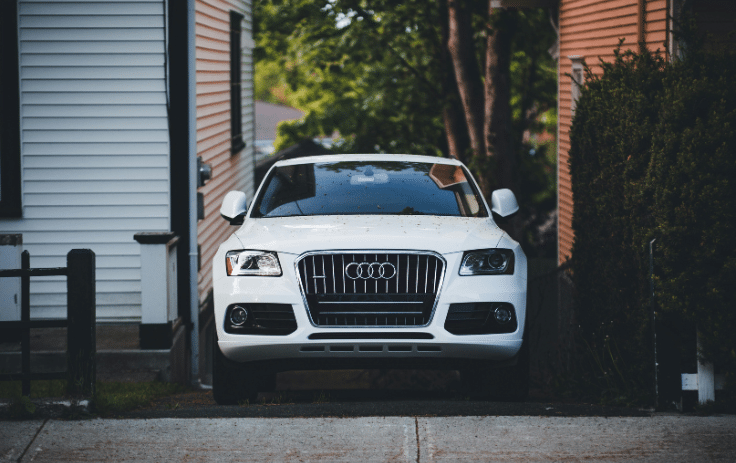
No, paint correction does not fix paint chips. Paint correction removes surface defects like swirl marks and light scratches by polishing the clear coat. Paint chips involve missing paint, which requires touch-up paint, paint repair, or repainting to restore the damaged area.
What Paint Correction Actually Does to Your Vehicle’s Paint
Paint correction is a professional process that removes surface defects from a vehicle’s clear coat to improve the overall appearance of the paint. Instead of covering damage, the process carefully levels the clear coat using specialized polishing machines, pads, and compounds. This helps reduce or eliminate imperfections that affect how light reflects off the surface.
Most modern vehicles have a clear coat layer that sits on top of the color paint. Over time, this layer can develop swirl marks, light scratches, oxidation, and water spots from daily driving, washing, and environmental exposure. Paint correction works by refining that outer layer to restore clarity and gloss while maintaining the integrity of the finish.
Common issues paint correction is designed to address include:
- Swirl marks from improper washing or drying
- Light surface scratches and scuffs
- Oxidation or faded paint
- Water spots and mineral deposits
- Dull or hazy paint that lacks reflection
It’s important to understand that paint correction removes a very small amount of the clear coat to smooth the surface. Because of this, the process must be performed carefully by trained professionals who measure paint thickness and use the correct tools. When done properly, paint correction can significantly improve the look of the vehicle and help prepare the surface for protective treatments such as wax, sealant, or ceramic coating.
Why Paint Chips Are Different From Scratches and Swirl Marks

Paint chips are different from scratches and swirl marks because they involve missing paint, not just surface damage. When a rock, gravel, or road debris hits the vehicle, it can remove layers of paint down to the primer or even bare metal. This creates a small but exposed area that polishing alone cannot restore.
Scratches and swirl marks, on the other hand, usually affect only the clear coat—the top protective layer of the paint. These defects change how light reflects off the surface, which is why the paint may look dull, hazy, or scratched. Paint correction is designed to level the clear coat and reduce these types of imperfections without adding new paint.
Paint chips require a different type of repair because the material is no longer there. Instead of polishing, fixing chips typically involves touch-up paint, paint filling, or repainting the damaged area to restore coverage and protection. Without that step, the exposed surface may remain vulnerable to moisture, rust, and further deterioration over time.
In practical terms, the key difference comes down to depth and damage type.
- Swirl marks and light scratches: Surface-level defects within the clear coat
- Paint chips: Areas where paint has been removed or broken through multiple layers
- Repair approach: Polishing corrects surface defects, while chips require paint replacement or refinishing
Can Paint Correction Make Paint Chips Look Better?
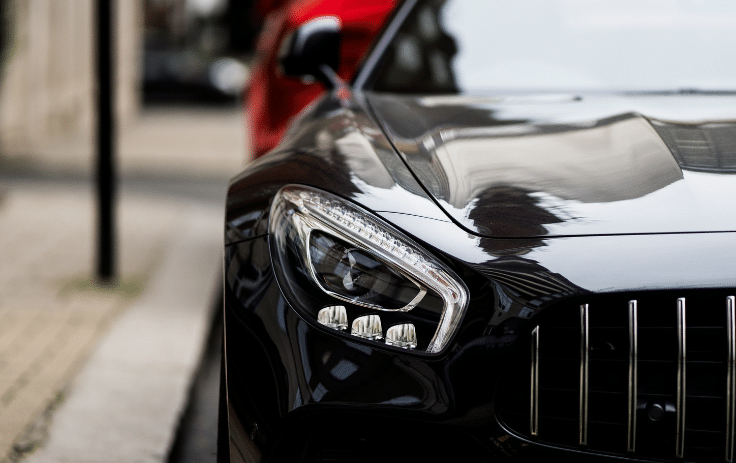
Paint correction cannot repair paint chips, but it can improve the overall appearance of the surrounding paint. By removing swirl marks, light scratches, and surface haze, the process restores clarity and gloss to the clear coat. This often makes the vehicle look cleaner and more uniform, which can reduce how noticeable small chips appear from a distance.
In many cases, paint chips stand out more when the surrounding paint is dull or scratched. Once the surface is properly corrected and polished, the finish reflects light more evenly. As a result, minor chips may blend in slightly better visually—even though the damaged area itself has not been repaired.
However, it’s important to set realistic expectations. Paint correction does not add paint back to the surface or fill in missing material. If the chip has exposed primer or bare metal, the only way to properly address the damage is through touch-up paint, chip repair, or refinishing. These methods restore protection to the affected area and help prevent moisture from reaching the underlying surface.
In short, paint correction can make paint chips less noticeable in certain situations, but it does not fix the chip itself.
When Should You Choose Paint Correction vs Paint Chip Repair?
Choosing between paint correction and paint chip repair depends on how deep the damage goes. These services address different types of paint problems, so using the right one helps protect the finish and avoid unnecessary work.
Choose paint correction when the paint is still intact but has surface defects. This includes swirl marks, light scratches, oxidation, or dull paint. The process refines the clear coat to improve the overall finish.
Choose paint chip repair when paint is missing or damaged down to the primer or metal. In these cases, the area needs touch-up paint or refinishing to restore protection and prevent further damage.
In some situations, both services may be used together—repairing the chip first, then correcting the surrounding paint to create a more even finish.
Know What Paint Correction Can Fix—And Take the Next Step
If your vehicle has swirl marks, light scratches, or dull paint, professional paint correction can help restore clarity and improve the overall finish. Understanding the difference between surface defects and paint chips allows you to choose the right service and avoid unnecessary repairs.
Archer’s Mobile Detailing provides professional paint correction services designed to correct surface-level paint defects and improve the condition of your vehicle’s clear coat. Our team evaluates the paint carefully and recommends the appropriate level of correction based on the condition of the surface.
Call us at (254) 500-2468 or book online to schedule your paint correction service in Leander, TX. We proudly serve Cedar Park, Georgetown, Liberty Hill, Round Rock, Lago Vista, and Austin.
