
Keeping your car’s paint looking fresh isn’t easy. Sunlight, rain, and everyday road grime slowly wear it down, leaving the finish looking tired even after regular washes. Waxes and sealants help for a while, but they don’t last long and need to be reapplied often.
That’s why many drivers are searching for a more durable option to protect their vehicles. One solution that’s gained a lot of attention is ceramic coating. But before you decide if it’s right for your car, it helps to understand exactly what is ceramic coating and how it works.
What Is Ceramic Coating?
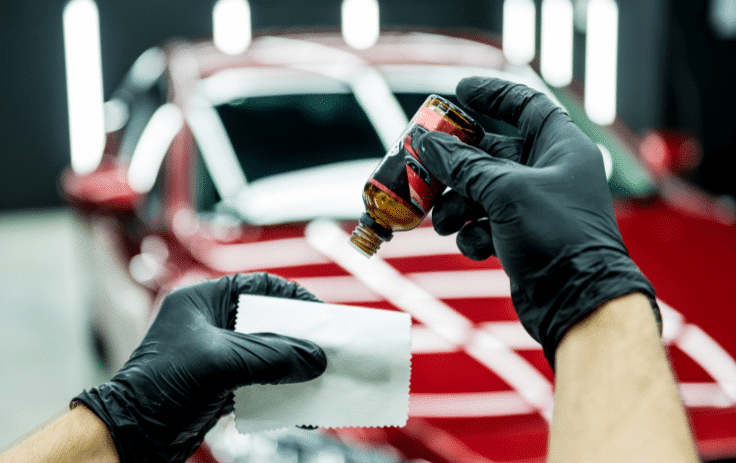
A simple way to understand it: ceramic coating is a liquid polymer that is applied over a car’s paint (usually over the clear coat). Once cured, it chemically bonds with the surface, forming a semi-permanent layer of protection.
In many formulations, silicon dioxide (SiO₂) is the core component. As it cures, this compound forms a hard shell over the paint that is more durable than traditional wax or sealant coatings.
Because of the chemical bond (versus just “sitting” on top), ceramic coatings can last longer, resist contaminants, and maintain a high-gloss finish.
How Does Ceramic Coating Work?
Ceramic coating works through a chemical reaction between the liquid polymer and the clear coat of your car’s paint. Once applied, the coating cures and bonds at a molecular level, forming a thin but durable layer that’s harder than traditional wax.
This layer changes how the surface behaves:
- Hydrophobic effect: Water beads up and runs off instead of spreading, which reduces water spots.
- Barrier function: The cured layer resists UV rays, road grime, and acidic contaminants.
- Surface hardness: It reduces how easily the paint picks up fine scratches and swirl marks.
- Ease of cleaning: Dirt and debris cling less, so regular washing takes less effort.
Instead of acting like a temporary “cover,” ceramic coating actually integrates with the paint surface, giving longer-lasting protection.
What Are the Benefits of Ceramic Coating?
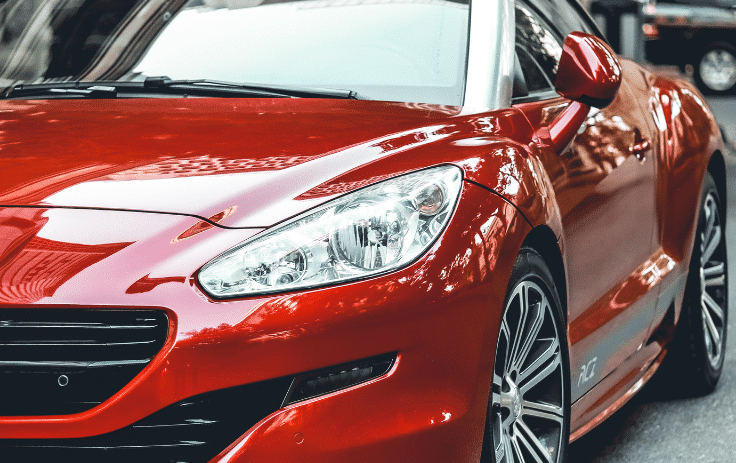
When applied correctly, ceramic coating delivers more than just a glossy finish. It creates a semi-permanent layer of protection that outperforms waxes and sealants in several key ways.
Longer-Lasting Protection
Unlike wax, which usually fades after a few weeks, or sealants that may last a few months, a ceramic coating can protect your vehicle for years with proper care. Because it chemically bonds with the clear coat, it doesn’t simply wash away or break down as quickly. “Some professional-grade coatings are advertised to last three to five years, depending on the product and upkeep, which can also affect long-term cost considerations.
Defense Against UV Rays and Oxidation
One of the biggest threats to paint is long-term exposure to sunlight. UV rays cause oxidation, which fades the color and makes surfaces look dull. A ceramic coating creates a protective barrier that helps slow this process, keeping the paint from breaking down as quickly.
Resistance to Chemical Contaminants
Everyday hazards like bird droppings, tree sap, acid rain, and road salts can stain or damage paint. While no coating makes your car invincible, the hardened ceramic layer provides stronger resistance to these chemicals than untreated paint or standard wax. This reduces the risk of permanent etching and staining when contaminants are removed promptly.
Easier Maintenance and Cleaning
A key advantage of ceramic coating is its hydrophobic property—water beads up and slides off rather than clinging to the paint. That means dirt, mud, and other contaminants have a harder time sticking. Washing takes less effort, drying is faster, and the finish stays cleaner in between washes.
Enhanced Gloss and Depth
Beyond protection, ceramic coatings are valued for the aesthetic upgrade. They give the paint a glossy, reflective look that intensifies depth and color clarity. Many drivers notice that even an older vehicle looks freshly detailed once the coating cures (GlassParency).
Helps Maintain Resale Value
A well-maintained exterior signals to buyers that the vehicle has been cared for overall. Since ceramic coating slows down fading, oxidation, and staining, the paint stays in better condition over time. This not only helps preserve appearance but can also improve resale value when it’s time to trade in or sell.
Advantages of Ceramic Coating Over Waxes and Sealants
While waxes and paint sealants can offer short-term shine and protection, ceramic coating provides a level of durability and performance they can’t match. Here’s how it compares:
Durability Advantage
Wax usually fades within weeks, and sealants last only a few months. Ceramic coatings, on the other hand, can last several years when cared for properly. This makes them a more cost-effective solution in the long run, even if the upfront investment is higher.
Superior UV Protection
Traditional wax offers minimal resistance to sun damage and fades quickly. A ceramic coating continues to block harmful UV rays far longer, helping to prevent oxidation and fading.
Stronger Chemical Resistance
Waxes and sealants provide a temporary barrier, but harsh contaminants like bird droppings or acid rain can still burn through. Ceramic coatings form a harder, chemically resistant layer that reduces the chance of permanent etching.
Hydrophobic Performance That Lasts
Both wax and sealants can bead water at first, but the effect diminishes after a few washes. Ceramic coating maintains hydrophobic behavior for much longer, making cleaning easier and helping the car stay cleaner between washes.
Less Frequent Maintenance
Waxes need to be reapplied every few weeks, and sealants every few months. Ceramic coatings eliminate the constant reapplication cycle, cutting down on time, effort, and long-term product costs (Colorado Clear Bra).
What to Avoid After Ceramic Coating

Applying ceramic coating is only half the job—the way you treat your car afterward determines how well the coating performs. During the curing period and beyond, these are the key mistakes to avoid:
- Avoid washing too soon
After application, the coating needs time to bond and cure. Avoid washing your car for at least 7 days unless the installer provides different instructions. - Avoid harsh chemicals
Strong detergents, acidic cleaners, or abrasive soaps can weaken the hydrophobic layer and shorten the coating’s lifespan. Stick to pH-neutral shampoos when washing. - Avoid automatic car washes
Brushes and harsh chemicals used in automated washes can scratch or strip away the coating. Hand washing with microfiber towels is the safest option. - Avoid letting contaminants sit
Bird droppings, tree sap, and bug splatter are acidic and can etch through the coating if left too long. Rinse or spot-clean as soon as possible. - Avoid abrasive polishing or waxing
Polishing compounds, clay bars, or wax layers on top can interfere with the coating’s performance. If extra protection is needed, use only approved ceramic “booster” sprays.
Final Thoughts
Ceramic coating is best seen as a protective layer that makes your car easier to care for and helps preserve its paint over time. It won’t stop scratches or replace regular washing, but it does provide a level of durability that waxes and sealants can’t match.
For car owners who want long-term paint protection with less frequent upkeep, it can be a smart investment. The key is realistic expectations: understand what ceramic coating can do, what it can’t, and commit to the right maintenance to get the most out of it.
Keep your car’s paint protected with durable ceramic coating. Call (254) 500-2468 or book online in Leander, TX. We also serve Cedar Park, Georgetown, Liberty Hill, Round Rock, Lago Vista, and Austin.
