You wash your car regularly, yet in direct sunlight the paint looks scratched and hazy. Those faint circular lines—often called spiderwebs—can make even well-maintained paint look worn. What’s frustrating is that this damage usually doesn’t come from accidents or age, but from everyday care. Understanding what causes swirl marks on car paint is the first step to stopping them before they slowly build up and dull your clear coat.
Below, we’ll break down where swirl marks come from, how they develop over time, and what actually helps prevent them from getting worse.
What Causes Swirl Marks on Car Paint?
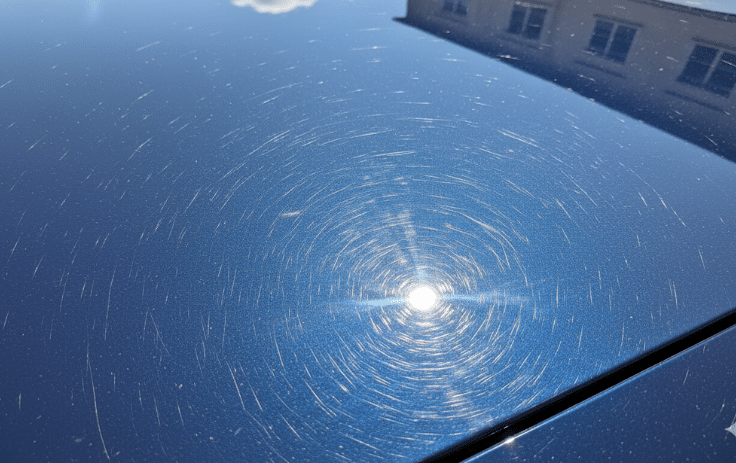
Swirl marks are caused by tiny scratches in the clear coat, most often from improper washing, drying, or wiping techniques.
They form when dirt or debris is dragged across the paint using sponges, towels, brushes, or automated car wash equipment. Over time, repeated friction creates circular scratch patterns that become visible under direct light.
What Causes Swirl Marks on Car Paint?
Swirl marks don’t come from one big mistake. They build up through small, repeated actions that slowly wear down the clear coat. Each time the paint is touched without removing grit first, tiny scratches are created. Over time, those scratches overlap and become visible under light.
Improper washing tools
Improper washing tools are one of the most common sources. Sponges and stiff brushes may feel soft, but they tend to trap dirt deep inside their surface. Once grit is caught, every pass across the paint acts like fine sandpaper. Instead of lifting contamination away, the tool drags it in a circular motion, which is why swirl marks often follow the pattern of hand movements.
Dirty wash water
Dirty wash water adds to the problem. When the same bucket is used without proper rinsing, dirt particles settle in the water and cling to wash tools. Each dip reloads the mitt or sponge with abrasive debris. As that debris is wiped across the paint, it creates consistent micro-scratching that builds up wash after wash.
Automatic car washes
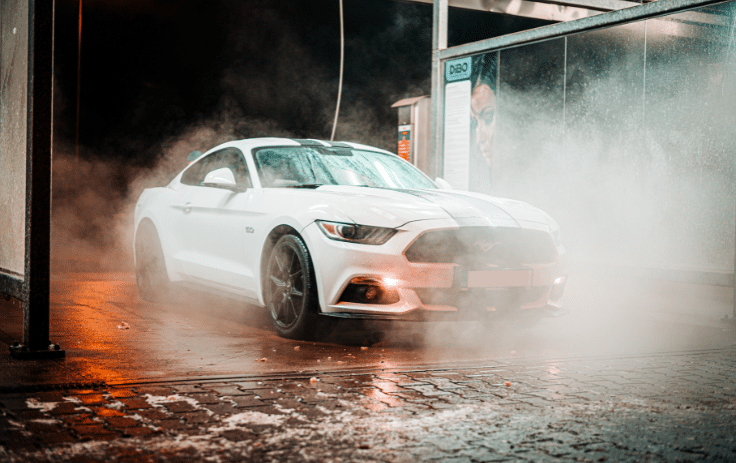
Automatic car washes accelerate swirl mark formation even faster. The rotating brushes and hanging cloth strips are used on hundreds of vehicles and often hold dirt, road salt, and brake dust from previous cars. When those materials make contact with your paint at speed, they leave behind uniform circular scratches that become more noticeable with every visit.
Dry wiping
Dry wiping causes damage even when the car looks clean. Dust and fine road particles sit loosely on the surface and can’t be seen easily. Wiping them away without water or lubrication presses those particles directly into the clear coat. This grinding action creates shallow scratches that slowly spread across panels, especially on hoods, doors, and trunk lids.
In short, swirl marks form when dirt is moved across the paint instead of being safely rinsed away. The more often this happens, the faster the damage adds up.
How to Spot Swirl Marks on Your Car’s Paint
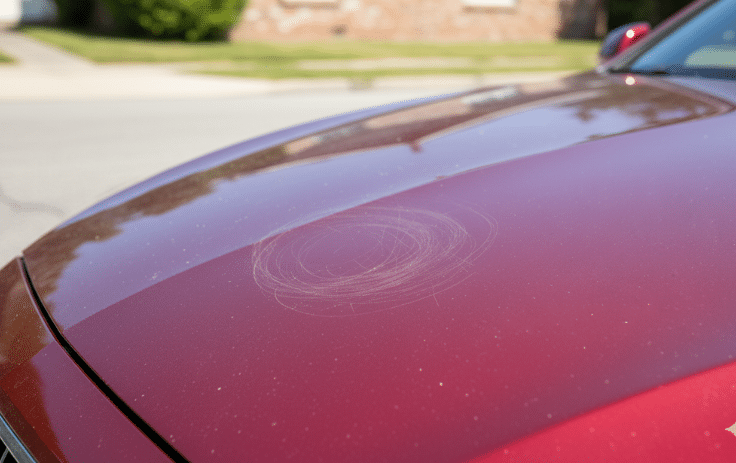
Swirl marks are easiest to spot under strong, direct lighting. They show up most clearly in direct sunlight, under bright LED or halogen lights, or beneath parking garage lights at night. Look for fine circular or spiderweb-like patterns in the paint that shift as you change your viewing angle. If the paint appears clean but looks hazy, dull, or lacks sharp reflections, swirl marks are usually the cause.
What’s the Best Way to Remove Swirl Marks from Car Paint?
The best way to remove swirl marks from car paint is through paint correction using machine polishing. Swirl marks are scratches in the clear coat, so they must be leveled—not covered up—to be removed.
Paint correction uses polishing compounds and a machine polisher to safely reduce the clear coat around the scratches until the surface becomes even again. This restores clarity and proper light reflection, which is why professional paint correction is the most reliable and lasting solution.
Why Paint Correction Is the Most Effective Fix for Swirl Marks
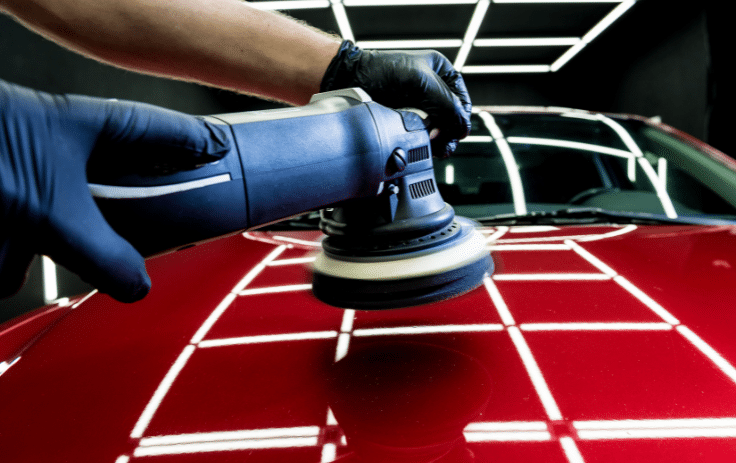
Paint correction is the most effective fix for swirl marks because it permanently removes the scratches instead of hiding them. Swirl marks sit within the clear coat, and products that claim to “cover” them only fill the defects temporarily. Paint correction levels the surrounding clear coat so the scratches no longer scatter light, restoring true clarity.
A professional paint correction process typically involves:
- Paint inspection and thickness awareness
- Test polishing to select the right abrasives
- Controlled machine polishing to safely reduce scratches
Is It Safe to Try Removing Swirl Marks Yourself?
It can be safe to try removing very light swirl marks yourself, but there are real risks if the damage is more than superficial. DIY polishing without proper tools or technique can remove clear coat unevenly, create haze or buffer marks, or make the scratches worse.
Because clear coat cannot be replaced once it’s worn away, aggressive polishing can lead to permanent paint damage. If swirl marks are clearly visible in sunlight or appear across multiple panels, having them assessed by a professional detailer is the safer option.
How Do You Prevent Swirl Marks on Car Paint?
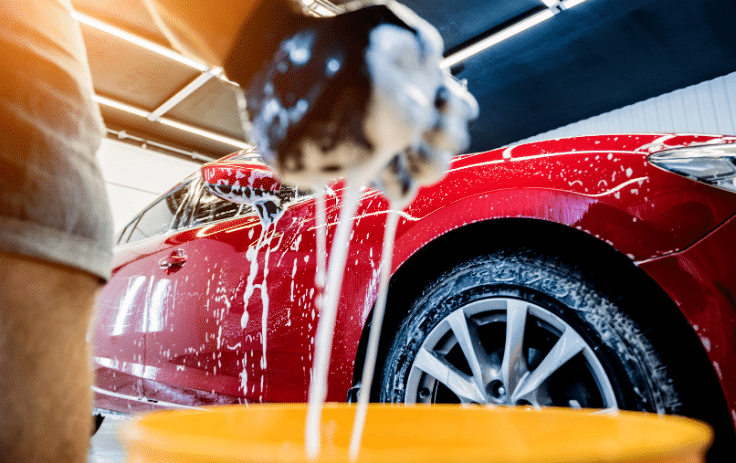
Preventing swirl marks isn’t about using expensive products—it’s about changing how the paint is touched. Most swirl damage happens during routine washing and drying, so the goal is to reduce friction and keep abrasive dirt away from the clear coat.
Start with a thorough rinse.
Before any wash mitt or towel touches the paint, the surface should be rinsed well. This step flushes away loose dirt and grit that would otherwise be dragged across the clear coat and create micro-scratches.
Use clean microfiber tools every time.
Microfiber wash mitts and towels are designed to lift dirt away from the surface. Using dirty or worn towels defeats that purpose. Clean tools reduce the chance of trapping debris and grinding it into the paint.
Separate clean water from dirty water.
The two-bucket wash method helps prevent reintroducing grit back onto the paint. One bucket holds soapy water, while the second is used to rinse the mitt. This simple habit greatly lowers wash-induced swirl marks.
Be gentle during drying.
Drying is a common source of swirl marks. Light pressure and proper lubrication matter more than speed. Aggressive wiping presses remaining particles into the paint and causes fine scratches that build up over time.
Avoid automated brush car washes.
These systems reuse brushes and cloth strips that often hold dirt from other vehicles. Each pass increases the risk of uniform circular scratching, especially on horizontal panels.
Protective coatings can add a sacrificial layer that reduces wash-related damage, but they don’t replace good habits. Careful washing and drying techniques remain the most reliable way to prevent swirl marks on car paint.
Why Understanding Swirl Marks Protects Your Paint Long-Term
Swirl marks don’t just affect appearance—they signal ongoing clear coat wear. Knowing what causes swirl marks on car paint helps you change habits early, preserve paint thickness, and avoid costly correction later. Proper care, safe washing methods, and timely correction keep your vehicle’s finish clear, reflective, and protected for years.
When Swirl Marks Start to Dull Your Paint
If swirl marks are making your paint look hazy or worn, addressing them early can help protect your clear coat and restore clarity. A professional detailer can assess the severity of the damage and recommend the safest approach to correct it without unnecessary paint removal.
Call (254) 500-2468 or book online to schedule your detailing service. We proudly serve Leander, TX, along with Cedar Park, Georgetown, Liberty Hill, Round Rock, Lago Vista, and Austin.
